


How Much Does a New AC System Cost in Florida? (2026 Price Breakdown)
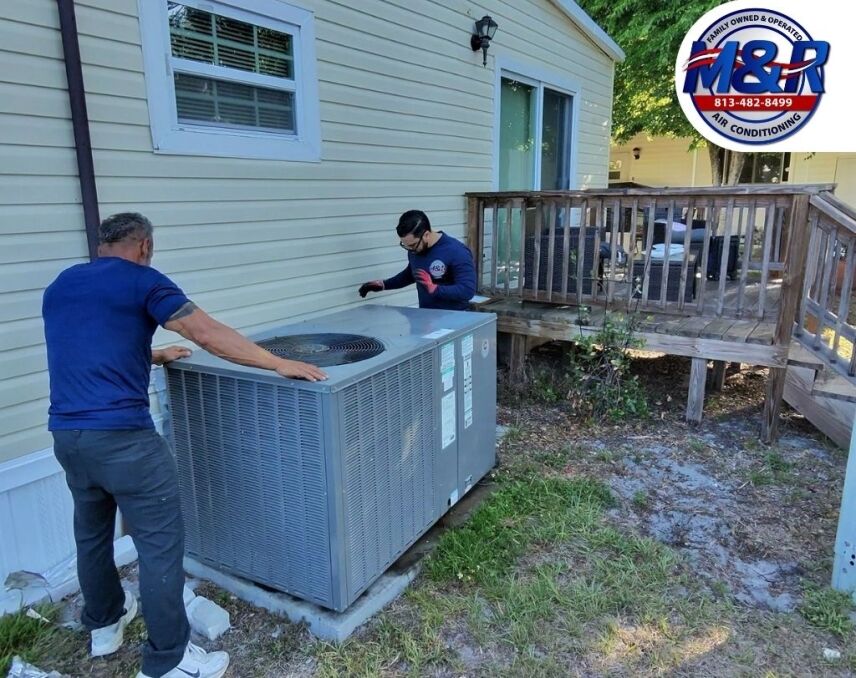
Is It Time to Upgrade? What Every Homeowner Should Know About a New Air Conditioning System
How do you choose a new AC system when energy bills are climbing, your old unit is struggling, and one wrong decision could cost you for years?
You need comfort you can count on, without guessing.
M&R Air Conditioning helps you understand your options, compare efficiency and cost, and choose a system built for your home, your budget, and Florida’s heat.
Here is a quick overview of what to know before you buy:
| Factor | What to Know |
|---|---|
| System types | Central AC, ductless mini-splits, and heat pumps are the most common options |
| Efficiency rating | Look for SEER2 ratings of 14 or higher (the federal minimum); 20+ offers significant savings |
| Average cost (2026) | Full HVAC system replacement ranges from $5,000 to $28,000 nationally |
| Lifespan | Most units last up to 15 years with routine maintenance |
| When to replace | If your unit is over 10–15 years old, breaks down frequently, or your energy bills keep rising |
How do you keep your home perfectly cool without watching your monthly utility bills skyrocket? In 2026, many Pinellas County homeowners are dealing with aging systems that struggle to keep up with Florida’s relentless heat, and the repair bills are starting to add up. It is completely normal to feel overwhelmed by the choices: efficiency ratings, system types, installation costs, and a dozen brand names all competing for your attention.
That is exactly where M&R Air Conditioning comes in. Our team helps homeowners across Pinellas County cut through the noise, find the right system for their home and budget, and install it correctly the first time. Ready for lower energy bills and reliable comfort? Contact us today to schedule your free consultation.

Selecting a New Air Conditioning System: Types, Efficiency, and Costs
When you begin shopping, you will quickly find that the market has evolved significantly. Modern cooling systems are more reliable, quieter, and vastly more energy-efficient than those installed even a decade ago.
To help you visualize your options, we have compiled a quick comparison of the three primary systems available for Florida homes:
| System Type | Best Suited For | Key Advantage | Installation Complexity |
|---|---|---|---|
| Central Air Conditioning | Homes with existing, functional ductwork | Even, whole-home cooling | Moderate (if ducts are intact) |
| Ductless Mini-Split | Home additions, historic homes, or zoned cooling | No ductwork needed; highly efficient | Low to Moderate |
| Heat Pump | Year-round electric heating and cooling | Extremely low operating costs | Moderate |
Evaluating these options is the first step toward planning your Energy Efficiency Upgrades to ensure long-term comfort and lower utility bills.

Central AC vs. Ductless Mini-Splits
For many homeowners in St. Petersburg, Largo, and Pinellas Park, the choice comes down to a traditional central ducted system or a modern ductless mini-split.
- Central AC Systems: These systems rely on a network of supply and return ducts to distribute conditioned air. If your home already has ductwork in good condition, replacing your outdoor condenser and indoor air handler is often the most straightforward approach.
- Ductless Mini-Splits: If you are remodeling, converting a garage, or living in an older home without ductwork, ductless systems are a game-changer. They connect an outdoor compressor to individual indoor air-handling units through a small three-inch hole in the wall. This allows for precise zoning, meaning you only cool the rooms you are actively using.
Whether you need a traditional ducted setup or specialized zoning, scheduling a professional AC Installation ensures your system is configured to perform flawlessly in our humid climate.
Understanding SEER2 Ratings and Energy Efficiency
You cannot talk about an AC System without mentioning SEER2 (Seasonal Energy Efficiency Ratio 2) ratings. This rating measures the cooling output of your system divided by the total electric energy input during a typical cooling season.
- The Golden Rule of SEER2: A higher number means better efficiency. For example, a 20 SEER2 unit uses roughly half the energy of an older 10 SEER unit, much like miles-per-gallon (MPG) ratings for vehicles.
- Brand Efficiency Standards: Leading brands offer incredible efficiency ranges. Trane units range from 13.4 SEER2 up to 23.6 SEER2, while Lennox systems offer industry-leading efficiencies of up to 26.00 SEER, saving homeowners hundreds of dollars annually.
Staying informed on modern SEER2 Air Conditioning Standards will help you choose a system that balances upfront equipment costs with long-term monthly savings.

Deciding Between Heat Pumps and Traditional Systems
Should you choose a heat pump or a traditional air conditioner paired with an electric heater? In Pinellas County, heat pumps are incredibly popular. Because our winters are mild, we do not require intensive gas furnaces.
Instead of generating heat, a heat pump simply reverses the cooling cycle to pull heat from the outdoor air and move it indoors. High-efficiency inverter options, such as the ACIQ Extreme Series 3 Ton 17.4 SEER2 High Efficiency Heat Pump Split System, use advanced variable-speed compressors to adjust cooling and heating outputs automatically. This prevents the system from constantly switching on and off, saving significant amounts of electricity.
Exploring the unique Heat Pump Benefits is highly recommended for Florida homeowners looking for a highly efficient, all-electric comfort solution.
Professional Installation, Maintenance, and Long-Term Value
Buying high-quality equipment is only half the battle. Even the most expensive, high-tech new AC system will underperform, break down prematurely, or run inefficiently if it is not sized and installed correctly.
Sizing and Installing Your New Air Conditioning System Correctly
One of the most common mistakes in the HVAC industry is sizing a system based on a simple “rule of thumb” (like square footage alone).
- Oversized Systems: If a system is too large, it will cool your home too quickly and shut off. This “short-cycling” prevents the system from running long enough to remove humidity, leaving your home feeling damp and clammy.
- Undersized Systems: If a system is too small, it will run constantly to keep up with the Florida heat, driving up your energy bills and wearing out the compressor prematurely.
Professional installers use a Manual J load calculation to determine the exact tonnage your home needs, taking into account your insulation quality, window placement, roof material, and local climate. If you are near Pinellas Park, seeking professional AC Installation highlights the importance of matching local climate demands to your equipment capacity.
When to Replace vs. Repair Your Existing Unit
How do you know when it is time to stop repairing your old unit and finally invest in a replacement? On average, central AC units last up to 15 years if they receive regular maintenance. However, national surveys show that about 19 percent of central AC systems experience at least one major problem during their lifespan, with many stopping work entirely.
To help you budget, here is a general cost guide breaking down the most common AC repairs and their estimated price ranges for Florida homeowners:
- Thermostat Replacement: $200 to $450
- Capacitor Replacement: $200 to $300
- Condenser Fan Motor: $500 to $1200
- Refrigerant Leak Repair & Recharge: $400 to $1,500
- Compressor Replacement: $1,500 to $3,500
If your current system is over 10 to 12 years old and requires a repair that costs more than 50% of a new system, replacement is almost always the smarter financial move. Consulting trusted local specialists can help you weigh your options. Once your new system is installed, understanding Why Regular Maintenance is Important will keep your system running efficiently and protect your warranty.
Financing, Rebates, and Smart Upgrades
An HVAC replacement does not have to break the bank. There are numerous ways to make your upgrade more affordable:
- Financing: Flexible payment options help you spread out the cost of your system over time. You can learn more about our available Financing options to find a plan that fits your monthly budget.
- Local Rebates: Some high-efficiency systems may qualify for local utility rebates, helping reduce your upfront replacement cost.
- Smart Add-ons: Consider pairing your new system with a smart thermostat to optimize your cooling schedules, or a whole-home dehumidifier to tackle Florida’s intense humidity.
For homeowners looking for local advice, working with a local provider who understands the unique climate of South Pasadena, Bay Pines, or Largo can provide further regional insights.
Wondering how much a new AC system costs in Florida in 2026? M&R Air Conditioning helps Pinellas County homeowners get clear options, honest guidance, and reliable installation. Contact us today for a personalized estimate.

Latest Articles

Heat Pump Not Cooling in Florida? What It Means and When to Call for Repair
AC Unit Maintenance Cost in Pinellas County: What You Pay and What It Covers