
Understanding the New SEER 2 Air Conditioning Standards
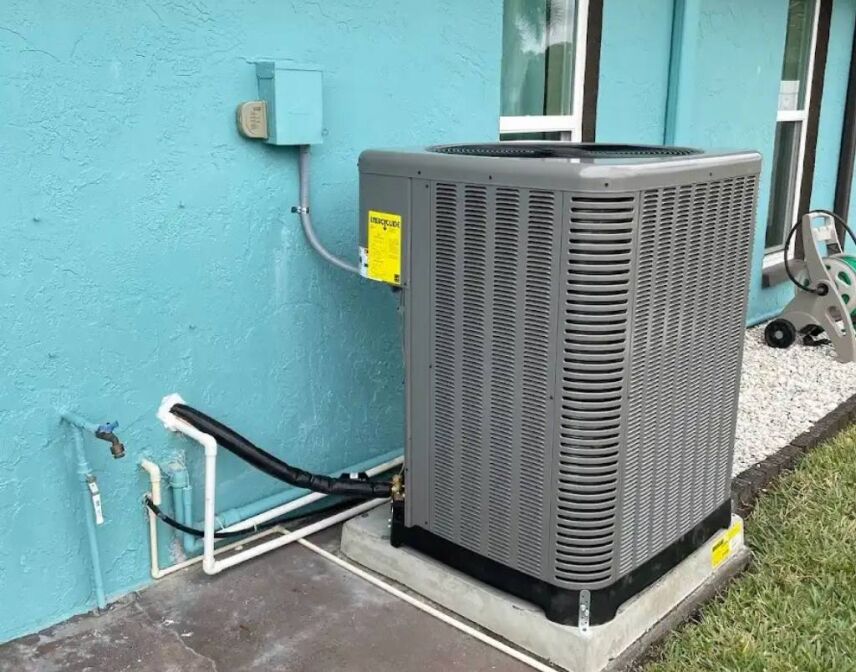
If you’re in the market for a new air conditioning system, you may have heard about the new SEER 2 standards. But what are they, and how do they affect you as a homeowner? SEER stands for Seasonal Energy Efficiency Ratio, which is a measure of how efficiently an air conditioning system operates. The higher the SEER rating, the more energy-efficient the system is. Until recently, the minimum SEER rating for new air conditioning systems was 14. However, in January 2023, the new SEER 2 standards will go into effect, which will raise the minimum SEER rating to 15. So, what does this mean for homeowners? Here are a few key takeaways:
- Increased Energy Efficiency: The new SEER 2 standards are designed to improve the energy efficiency of air conditioning systems, which can lead to lower energy bills for homeowners. By raising the minimum SEER rating, new systems will have to meet stricter efficiency requirements, which can save you money in the long run.
- Improved Comfort: Higher SEER ratings also mean improved comfort for homeowners. Systems with higher SEER ratings can more effectively cool your home, which can help maintain a consistent temperature and reduce hot spots.
- Higher Upfront Costs: While the new SEER 2 standards can save homeowners money in the long run, they may require a higher upfront investment. Systems with higher SEER ratings tend to be more expensive than those with lower SEER ratings. However, the increased energy efficiency and improved comfort can help offset these higher costs over time.
- Better for the Environment: By requiring air conditioning systems to meet higher efficiency standards, the new SEER 2 standards can also help reduce greenhouse gas emissions and other harmful pollutants, which can benefit the environment and the community as a whole.
In conclusion, the new SEER 2 air conditioning standards are designed to improve the energy efficiency and comfort of air conditioning systems while reducing harmful emissions. If you’re in the market for a new AC system, be sure to look for one that meets the new SEER 2 standards to maximize your energy savings and comfort. Contact us today to learn more about our SEER 2 compliant systems and how we can help you stay cool and comfortable while reducing your energy consumption.

Latest Articles

When to Replace Your AC vs. Repair It: A Cost-Based Decision Guide
Commercial HVAC Maintenance Pricing for Pinellas County Businesses in 2026