


Heat Pump Not Cooling in Florida? What It Means and When to Call for Repair
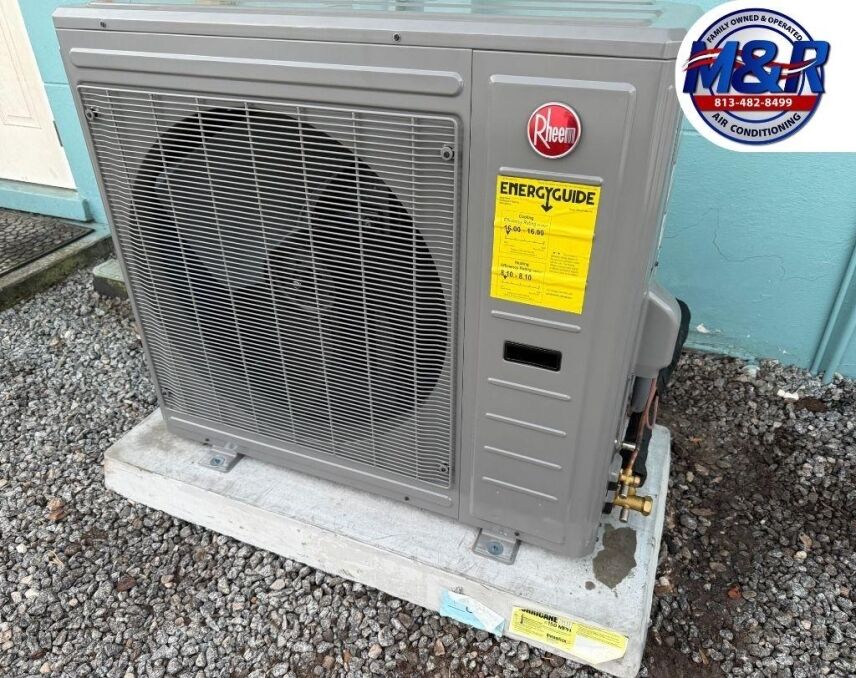
A heat pump usually stops cooling because of a wrong thermostat setting, a dirty air filter, a clogged condensate drain, a tripped circuit breaker, a refrigerant leak, or a stuck reversing valve. You can check the thermostat and air filter on your own, and our technicians can take care of the rest.
If you live in Pinellas County, you know how quickly a home heats up when the heat pump stops cooling in July or August. Knowing what’s normal on a hot day and what points to a repair helps you act quickly and get your home comfortable again.
How a Heat Pump Cools Your Home Like an Air Conditioner
A heat pump cools your home the same way traditional air conditioners do. It pulls heat out of the indoor air at the indoor coil, then carries that heat outside through the refrigerant lines so the outdoor coils can release it.
A heat pump also has a reversing valve. This means it changes the direction of refrigerant flow so the same heat pump system can switch between heating and cooling modes.

In cooling mode, the indoor air handler blows air across the cold evaporator coil, and the blower circulates air back through your vents as cool air.
Since the whole process depends on heat transfer between the indoor and outdoor units, anything that blocks airflow, slows refrigerant flow, or cuts power can leave you with warm air coming from the vents.
Normal Cool Air Output on Hot, Humid Florida Days
On a 95-degree afternoon, a heat pump that’s working well may run for long stretches without shutting off.
Long run times in hot weather are normal because the system is moving a lot of heat and pulling moisture out of the air at the same time. High humidity in St. Petersburg also affects heat pump efficiency, since the cooling system spends part of its cooling capacity drying the air.
If your system is sized correctly and your home is well sealed, indoor humidity should stay below 60 percent, even on a hot, humid day.
A better way to judge your system is the temperature of the air at the vents. The air coming out should be about 16 to 20 degrees cooler than the air in the room.
If the house slowly reaches your desired temperature by evening, your heat pump is likely doing its job. If the indoor temperature keeps climbing or you feel lukewarm air at the vents, the causes below are the next place to look.
Common Reasons a Heat Pump Is Blowing Warm Air
A heat pump can stop cooling for eight common reasons. Since Florida’s heat and humidity keep these systems working hard for months at a time, clogged drains and dirty filters tend to show up the most.
1. Incorrect Thermostat Settings
Incorrect thermostat settings can stop cooling before the equipment has a chance to run. The thermostat should be set to Cool, and the temperature setting should sit a few degrees below the current room temperature.
The fan should be on Auto as well, because the On setting keeps the blower running between cycles and pushes room-temperature air through the vents.
If you recently installed a smart thermostat, its setup matters too. A heat pump needs its thermostat configured to control the reversing valve, so a misconfigured or malfunctioning thermostat can keep the system from switching into cooling mode.
2. Clogged Air Filter or Blocked Vents
A dirty air filter is one of the most common heat pump problems. A clogged air filter restricts airflow across the evaporator coil, which reduces cooling efficiency and can eventually freeze the coil.
Florida systems run most of the year, so it’s a good habit to check the air filter monthly and replace it every one to three months.
Airflow also depends on your vents. When rugs, curtains, or furniture cover supply or return vents, less air reaches your rooms, and the system struggles to hit your desired temperature.
If airflow stays weak even with a fresh filter and open vents, a blockage in the ducts or a failing blower may be the cause.
3. Clogged Condensate Drain and Float Switch
Florida’s humidity means your heat pump pulls a lot of water out of the air, and that water drains through a condensate line near the indoor unit. Over time, algae and debris can clog that line.
When water backs up, a safety device called a float switch shuts the system off to prevent a leak, which leaves you with no cool air at all. Water around the indoor air handler or a full drain pan is the usual signs.
Our technicians sometimes find that a clogged drain or a tripped float switch is the reason a heat pump stopped cooling.

4. Tripped Circuit Breaker or Failed Capacitor
Electrical components are another common cause, especially during summer storm season. Frequent thunderstorms can cause power surges that trip the circuit breaker or damage parts inside the outdoor unit.
A tripped circuit breaker can stop the heat pump from running at all, while a bad start capacitor can keep the compressor from starting even though the indoor fan still runs.
If a breaker in your electrical panel has tripped, you can reset it once. Repeated resets can damage the system, so if it trips again, it’s time to call for service.
Blown fuses, loose electrical connections, and wiring problems can cause the same symptoms, and electrical components can be dangerous to work on without training.
To help protect your system from storm-related surges, our team installs surge protectors made specifically for HVAC equipment.
5. Frozen Evaporator Coil
A frozen evaporator coil prevents effective cooling because the ice keeps the coil from absorbing heat. You may see ice on the indoor coil or on the refrigerant lines near the outdoor unit. A clogged air filter or blocked vents often cause a frozen coil, and low refrigerant can cause one too.
If you spot ice, set the thermostat to Off and switch the fan to On so the ice can melt. Running the system with a frozen coil puts extra strain on the compressor, so let it thaw completely and then call an HVAC technician to find the cause.
6. Refrigerant Leak
Refrigerant doesn’t get used up like fuel, so low refrigerant levels always point to a leak. As refrigerant levels drop, the heat pump loses its ability to transfer heat.
You’ll also notice warm air blowing from the vents, longer run times, or ice forming on the refrigerant lines. A hissing sound near the indoor or outdoor coils is another clue.
Refrigerant leaks require professional detection and repair. An HVAC technician can find the leak, fix it, and recharge the system to the correct level.
7. Faulty Reversing Valve
The reversing valve is what lets one heat pump handle both heating and cooling. When the valve sticks, the system can stay in heating mode and keep blowing hot air no matter how low you set the thermostat. A valve that sticks partway can also leave the air lukewarm.
A faulty reversing valve is one of the less common cooling failures, and it often shows up the first time the system switches modes in a new season. Testing the valve takes specialized tools, so it’s a job for an experienced HVAC company.
8. Dirty or Blocked Outdoor Coils
Your outdoor unit needs open space to release heat effectively. Blocked outdoor units can overheat and lose cooling capacity, so keep shrubs, grass clippings, and debris at least 2 feet away from every side. Near the coast, salt air also builds up on the outdoor condenser coil and slowly corrodes the thin metal fins.
Cleaning outdoor coils improves heat transfer and cooling efficiency. A gentle rinse is part of routine outdoor unit maintenance, but skip the pressure washer, since high-pressure water can bend the fins. For a deeper cleaning, our technicians at M&R Air Conditioning have the right tools for the job.
What to Tell Your HVAC Technician
A few details help your technician find the problem faster, so have these ready when you call:
- What the thermostat is set to and the current indoor temperature
- Whether the indoor and outdoor units are both running
- Whether the air feels warm, lukewarm, or weak
- Any water, ice, hissing, or unusual noises
- When the problem started, and whether a storm or power outage came first
How Much Does Heat Pump Repair Cost in Pinellas County?
Repair costs depend on which part failed, your system’s size and brand, and whether the part is still under warranty. Our prices for common cooling repairs range from $125 for a drain cleaning to $1,200 for a refrigerant leak repair.
Repair | Price |
|---|---|
Drain cleaning | $125 |
Thermostat replacement | Starting at $200 |
Capacitor replacement | Starting at $200 |
Float switch replacement | $249 |
Condensate pump replacement | $499 |
Drain pan replacement | $499 |
Fan motor replacement | $500 to $1,200 |
Refrigerant leak repair | $599 to $1,200 |
Should You Repair or Replace an Older Heat Pump?
With regular maintenance, a heat pump can last around 15 years. As it gets older, though, repairs tend to come more often, and energy costs climb, so a replacement can make more sense than another repair.
Older systems that use R-22 refrigerant are especially costly to recharge, since production of that refrigerant ended in 2020.
When a reversing valve or compressor fails on a heat pump that’s more than 10 years old and out of warranty, we usually recommend a replacement. That’s especially true when the repair would cost close to half the price of a new system.
Either way, our team will walk you through both options and give you an honest recommendation, so you can choose what makes sense for your home and budget.
Frequently Asked Questions
Why Is My Heat Pump Running but Blowing Hot Air?
When your heat pump is running, but the air feels warm, the most common causes are a clogged air filter, a frozen evaporator coil, low refrigerant, or an outdoor unit that has stopped running. Start with the filter and thermostat, and if the air stays warm after 15 minutes, give us a call.
Why Is My Heat Pump Blowing Cold Air in Heating Mode?
During heating season, a heat pump blowing cold air is often going through a normal defrost cycle, which can send only cold air through the vents for a few minutes. If it lasts longer than that, the cause may be a thermostat setting, a dirty air filter, low refrigerant, or a reversing valve stuck in cooling mode.
Should I Turn Off a Heat Pump That Isn’t Cooling?
Turn the system off and call for repair if you see ice on the coil or refrigerant lines, hear grinding, or smell burning. Otherwise, start with the thermostat and air filter, since a simple fix like a new filter may get it cooling again.
How Long Should a Heat Pump Take to Cool a House?
On a hot Florida day, a working heat pump typically lowers the indoor temperature by about 1 degree per hour. Larger homes and hotter afternoons take longer, and a system that never reaches your desired temperature by evening is worth having checked.
Get Your Heat Pump Cooling Again With M&R Air Conditioning
Regular maintenance is the easiest way to keep your heat pump running smoothly and head off many common cooling problems. Our maintenance plan includes condensate drain cleaning, and we offer same-day cooling repair.
When your heat pump stops cooling, our family-owned team will find the cause and give you an honest recommendation. Call M&R Air Conditioning at 813-482-8499 today to schedule a visit anywhere in Pinellas County, Hillsborough County, and the surrounding areas.

Latest Articles

AC Unit Maintenance Cost in Pinellas County: What You Pay and What It Covers
Thermostat Set to Cool But AC Not Turning On? Here’s How to Fix It