


What Florida Homeowners Should Know About SEER2 Standards for HVAC Systems
SEER2 is the energy efficiency rating the U.S. Department of Energy has required for new air conditioners and heat pumps since January 1, 2023. In Florida, a new central air conditioner under 45,000 BTUs, or about 3.75 tons, has to rate at least 14.3 SEER2, and larger systems need at least 13.8 SEER2.
If your system is getting older or you’re comparing quotes for a new one, knowing these numbers helps you read a spec sheet and compare units fairly. The rating you pick also shapes both the price on your quote and your monthly power bill for as long as you own the system.
These standards apply to new equipment, so the system already in your home can keep running as long as it works well.
What Is the Difference Between SEER and SEER2?
SEER stands for Seasonal Energy Efficiency Ratio. It compares the cooling output of an air conditioner or heat pump over a typical cooling season to the electricity it uses, so a higher number means a more efficient unit.
SEER2 measures the same thing with updated testing procedures. The U.S. Department of Energy changed the test so ratings better reflect how systems perform once they’re installed in a home.

The biggest update is higher external static pressure, which is the resistance air meets as it moves through your ductwork. The new test uses up to five times more static pressure than the old one, according to a 2021 efficiency guide from Allied Air, a Lennox company.
Because the test is tougher, the same unit earns a slightly lower number under SEER2. The equipment performs the same way it always has, and the new rating gives you a more accurate picture of how it will run in your home.
SEER to SEER2 Conversion
Common split system ratings convert to SEER2 like this:
- 14 SEER equals about 13.4 SEER2.
- 14.5 SEER equals about 13.8 SEER2.
- 15 SEER equals about 14.3 SEER2.
For a quick estimate on any other rating, multiply the old SEER number by 0.95. For example, a 16 SEER unit works out to about 15.2 SEER2, and an 18 SEER unit comes to about 17.1 SEER2. When you compare quotes, check that both units are rated on the same scale so you’re comparing them fairly.
What Are the SEER2 Efficiency Requirements in Florida?
The Department of Energy splits the country into three regions, and Florida falls in the Southeast, where the efficiency standards for central air conditioners are higher than in northern states. These minimums apply to new equipment installed in Florida homes:
| Equipment | Florida minimum |
|---|---|
| Split system central air conditioner under 45,000 BTUs | 14.3 SEER2 |
| Split system central air conditioner of 45,000 BTUs or more | 13.8 SEER2 |
| Split system heat pump | 14.3 SEER2 and 7.5 HSPF2 |
| Packaged air conditioner | 13.4 SEER2 |
| Packaged heat pump | 13.4 SEER2 and 6.7 HSPF2 |

Northern states require 13.4 SEER2 for central air conditioners, while split-system heat pumps need 14.3 SEER2 everywhere in the country. The Southwest adds a separate peak efficiency requirement for air conditioners, which Florida homes don’t have to meet.
In the Southeast, the rules are tied to the day a unit is installed. Since January 1, 2023, every new central air conditioner installed in Florida has had to meet these minimums, and the Department of Energy allows no exceptions for older stock.
Replacing Only the Outdoor Unit
Some homeowners replace just the outdoor unit and keep the indoor coil. In Florida, that new outdoor unit has to be certified to meet the regional minimum when it’s paired with older indoor equipment, so ask your installer to confirm the match on your quote.
Ductless Mini-Split Systems
A ductless mini-split with one outdoor unit and one indoor unit follows the same minimums as a central split system. Many mini-splits rate well above those minimums because their variable speed compressors adjust to the cooling your room needs. Our guide to mini-split installation cost covers what these systems cost in Florida.

How Does SEER2 Compare to EER2 and HSPF2?
You’ll often see SEER2 listed next to two other efficiency ratings on a spec sheet:
- SEER2 measures average efficiency over the entire cooling season, across a range of outdoor temperatures.
- EER2, or Energy Efficiency Ratio, measures efficiency at peak cooling need, when the outdoor temperature reaches 95°F.

- HSPF2, or Heating Seasonal Performance Factor, measures how efficiently a heat pump heats your home.
For most Florida homes, SEER2 is the rating to compare first. A strong EER2 rating is worth a look too, since your system runs close to full capacity on long summer afternoons. HSPF2 only comes into play if you’re choosing a heat pump, which also handles the cool nights we get in winter.
What Is a Good SEER2 Rating for a Florida Home?
A central air conditioner or heat pump rated 15 to 17 SEER2 gives many Florida homes a good balance of upfront cost and monthly savings. Systems rated 18 SEER2 and higher make the most sense if you plan to stay in your home for many years, since the savings build up with every summer.
How Much Less Energy a Higher Rating Uses
Each step up in SEER2 means the unit needs less electricity for the same amount of cooling. For example, a 20 SEER2 unit uses about 30% less electricity than a 14 SEER2 unit to cool the same space. The amount you save will vary with house size, thermostat settings, and local electric rates.

Comfort Benefits of High Efficiency Systems
Many high-efficiency systems use variable-speed compressors. These run longer at lower speeds instead of switching on and off, which helps pull more humidity out of the air and keeps temperatures more even from room to room. Drier indoor air feels cooler, so many homeowners stay comfortable with the thermostat set a degree or two higher.
Upfront Cost and Rebates
Higher-rated units carry a higher upfront cost, and our guide to new AC unit cost breaks down what each efficiency level adds to the price. Ask about local utility rebates when you shop, and our financing options can spread the cost of a high-efficiency system into monthly payments.
Sizing and Ductwork
A high SEER2 rating pays off fully when the system is sized for your home, and your ducts move air well. Leaky or undersized ducts add static pressure, which is the same resistance the SEER2 test is built around. During an estimate, we check your ductwork along with the size of your home so the rating on the label carries through to your power bill.
What Do SEER2 Standards Mean for Your Current Air Conditioner?
The SEER2 rules cover new equipment, so a system installed in 2022 or earlier can stay in your home and be repaired whenever it needs service. Many homeowners get years of good use from an older unit with regular care, and our AC repair cost guide lists what common fixes cost.
When a major repair comes up on an older system, that’s a good time to compare it with the price of a new SEER2 unit. A newer system brings the efficiency gains covered above, along with a fresh manufacturer warranty.

SEER2 and the Refrigerant Change
SEER2 is an efficiency rating, and it’s separate from the refrigerant change that started around the same time. Many new systems now use refrigerants like R-454B in place of R-410A under rules from the U.S. Environmental Protection Agency (EPA).
In May 2026, the agency removed the January 1, 2026 installation deadline, so systems built with R-410A in 2024 or earlier can still be installed. A unit can meet Florida’s SEER2 minimum with either type of refrigerant.
FAQs
Can You Install a Leftover 2022 Air Conditioner in Florida?
A leftover or discounted unit built in 2022 can only go into a Florida home if it meets the current SEER2 minimum. A unit rated 14 SEER works out to about 13.4 SEER2, which falls short of the 14.3 SEER2 that most Florida split systems need. Check the SEER2 rating on any online deal or clearance unit so the installation passes.
Where Can You Find the SEER2 Rating on Your AC Unit?
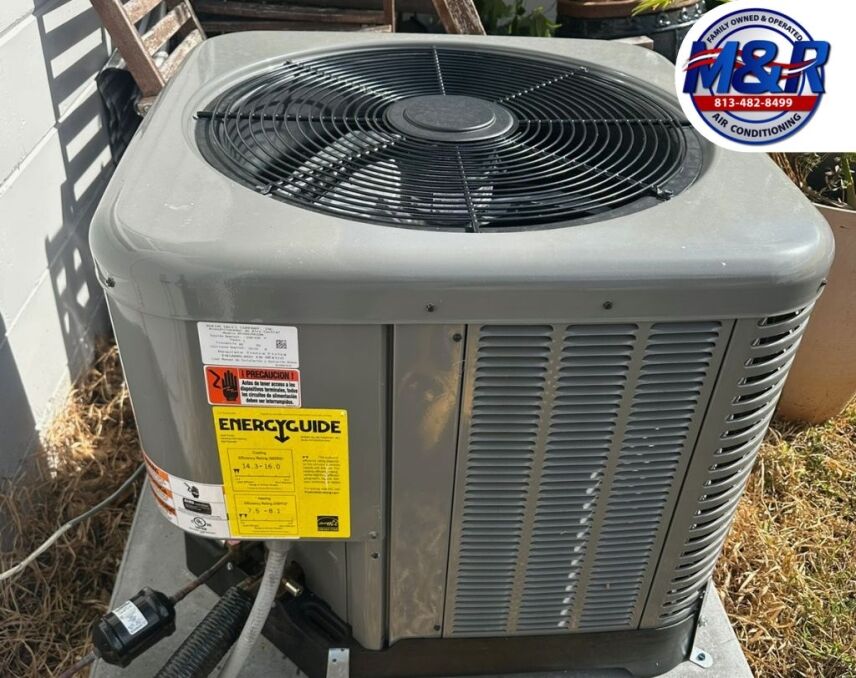
The rating is usually on the yellow EnergyGuide label or the data plate on your outdoor unit. You can also search the model number on the manufacturer’s website. Units built in 2023 and later list a SEER2 rating, while older units list a SEER rating.
What Are the Department of Energy Efficiency Requirements for Central Air Conditioners and Heat Pumps?
The new energy efficiency standards set minimum efficiency requirements for equipment manufactured or installed since 2023. In Florida, split-system air conditioners under 45,000 BTUs need at least 14.3 SEER2, and split-system heat pumps need 14.3 SEER2 along with a 7.5 HSPF2 heating efficiency rating. Packaged units need at least 13.4 SEER2, and installers are responsible for matching every new system to these energy efficiency requirements.
Does a Higher SEER2 Rating Lower Energy Bills for an Air Conditioner or Heat Pump?
SEER2 is tested across a range of seasonal temperature conditions, so a higher rating means greater energy efficiency and lower energy consumption for the same cooling. That leads to lower energy bills and lower operating costs over the life of residential air conditioners and heat pumps. In a hot climate, energy-efficient units with variable-speed compressors usually bring the biggest cost savings compared to single-stage units, which run at full speed every time they turn on.
What Is a Matched System, and Why Does It Matter?
A matched system pairs an indoor unit and an outdoor unit that are certified to work together. SEER2 ratings are tested on matching equipment, so the rating on the label applies when both parts come from that certified pair. Installing a matched system helps your cooling units deliver the energy savings and lower energy costs that come with the rating.
How Can You Keep Your AC Unit Running at Its Efficiency Rating?
Changing your air filters every one to three months keeps air moving freely, which helps your cooling system perform close to its updated efficiency rating. Yearly AC maintenance lets a technician clean the coils and check refrigerant levels so your AC unit keeps delivering the efficiency you paid for.
Find the Right SEER2 System for Your Home
If you’re weighing a new air conditioner, M&R Air Conditioning can help you compare SEER2 ratings side by side and pick one that fits your home and your budget. We’ll size the system for your home and check your ductwork, so you get the efficiency you’re paying for.
Schedule your free estimate with our team today!

Latest Articles

How Long Do Rooftop HVAC Units Last on the Florida Coast?
Heat Pump Not Cooling in Florida? What It Means and When to Call for Repair