


What Is a Heat Pump and Its Benefits?
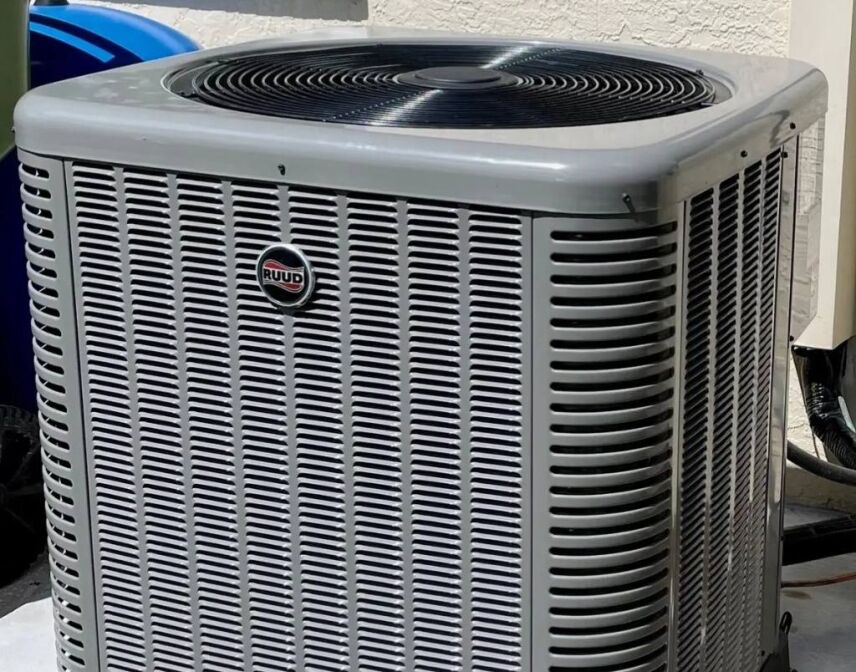
Heat pump air conditioners are a type of air conditioning system that is gaining popularity among homeowners and businesses. They work by transferring heat from one location to another, providing both heating and cooling capabilities in one unit. Here’s what you need to know about heat pump air conditioners:
How Heat Pump Air Conditioners Work
Heat pump air conditioners work by using a refrigerant to absorb heat from the air inside your home or office and transfer it to the outside. This process is reversed during the winter months, with the heat pump absorbing heat from the outside air and transferring it inside to warm your home or office.
Types of Heat Pump Air Conditioners
There are two types of heat pump air conditioners: air-source and ground-source. Air-source heat pumps are the most common type and use the outside air as the heat source or heat sink. Ground-source heat pumps, also known as geothermal heat pumps, use the ground or water as the heat source or sink, making them more efficient than air-source heat pumps. Benefits of Heat Pump Air Conditioners
Energy Efficiency
Heat pump air conditioners are more energy-efficient than traditional HVAC systems because they transfer heat rather than generating it. This means they use less electricity to operate, which can result in lower energy bills.
Dual Functionality
Heat pump air conditioners provide both heating and cooling capabilities, making them a versatile option for homes and businesses. They can provide efficient cooling during the summer months and efficient heating during the winter months, reducing the need for separate heating and cooling systems.
Environmentally Friendly
Heat pump air conditioners are environmentally friendly because they do not use fossil fuels to generate heat. Instead, they transfer heat from the air or ground, making them a sustainable option for those who want to reduce their carbon footprint.
Improved Indoor Air Quality
Heat pump air conditioners use a filtration system to remove contaminants from the air, resulting in improved indoor air quality. This is particularly beneficial for individuals with allergies or respiratory issues.
Cost Savings
While heat pump air conditioners may have a higher initial cost than traditional HVAC systems, their energy efficiency and dual functionality can result in long-term cost savings. Additionally, many states offer tax credits and rebates for the installation of energy-efficient heating and cooling systems.
In conclusion, heat pump air conditioners provide energy-efficient, dual-functionality heating and cooling, improved indoor air quality, and cost savings. Whether you choose an air-source or ground-source heat pump, it’s important to work with a qualified HVAC professional to ensure proper installation and maintenance for optimal performance.

Latest Articles

AC Unit Maintenance Cost in Pinellas County: What You Pay and What It Covers
Thermostat Set to Cool But AC Not Turning On? Here’s How to Fix It